
Digital marketing involves promoting products, services, or brands through online platforms like websites, social media, search engines, email, and mobile apps, replacing traditional methods like newspaper ads or billboards.
Digital marketing is a strategy that utilizes online platforms and devices to promote products, services, or brands, reaching customers through websites, social media, search engines, email, and mobile apps, often at a lower cost and with measurable results
In 2025 and beyond, digital marketing isn’t just an option—it’s a necessity. Whether you’re a startup, freelancer, or established brand, having an online presence helps you reach the right people at the right time, and turn them into loyal customers.
The Key Channels of Digital Marketing
1. SEO (Search Engine Optimization)
SEO is the process of enhancing a website’s ranking on search engines like Google, Bing, or Yahoo. It increases the likelihood of people clicking and visiting the site. For instance, if a handmade candle seller sells scented candles, SEO can boost their site’s visibility on Google’s first page, thereby driving more sales without requiring ads.
2.Content Marketing:
Content marketing involves creating and sharing valuable, relevant, and consistent content to engage a target audience, build trust, improve SEO, generate leads, and support the buyer journey. Key content types include blogs, videos, social media posts, infographics, and email newsletters. To succeed, define your audience, set goals, choose the right formats, plan a content calendar, promote content, and measure results.
3. Social Media Marketing:
Social Media Marketing (SMM) has become one of the most powerful tools for businesses to connect with their target audience, build brand awareness, and drive sales in today’s digital era. With billions of people actively using platforms like Facebook, Instagram, Twitter, LinkedIn, and TikTok, brands have a unique opportunity to reach potential customers where they spend most of their time. Unlike traditional marketing, social media allows two-way communication, enabling businesses to engage directly with their audience through posts, comments, stories, and live sessions. Successful social media marketing involves creating valuable, engaging, and visually appealing content tailored to each platform’s audience while maintaining a consistent brand voice
. It also relies on strategic planning, including audience research, posting schedules, paid advertising campaigns, and performance analysis to refine strategies over time. Moreover, SMM is not just about selling products—it’s about telling a brand’s story, building trust, and forming genuine relationships with customers. By leveraging trends, hashtags, influencer collaborations, and targeted ads, businesses can increase their online visibility, drive website traffic, and ultimately convert followers into loyal customers. In a competitive market, a strong social media presence is no longer optional but essential for sustainable business growth.
4.Email Marketing:
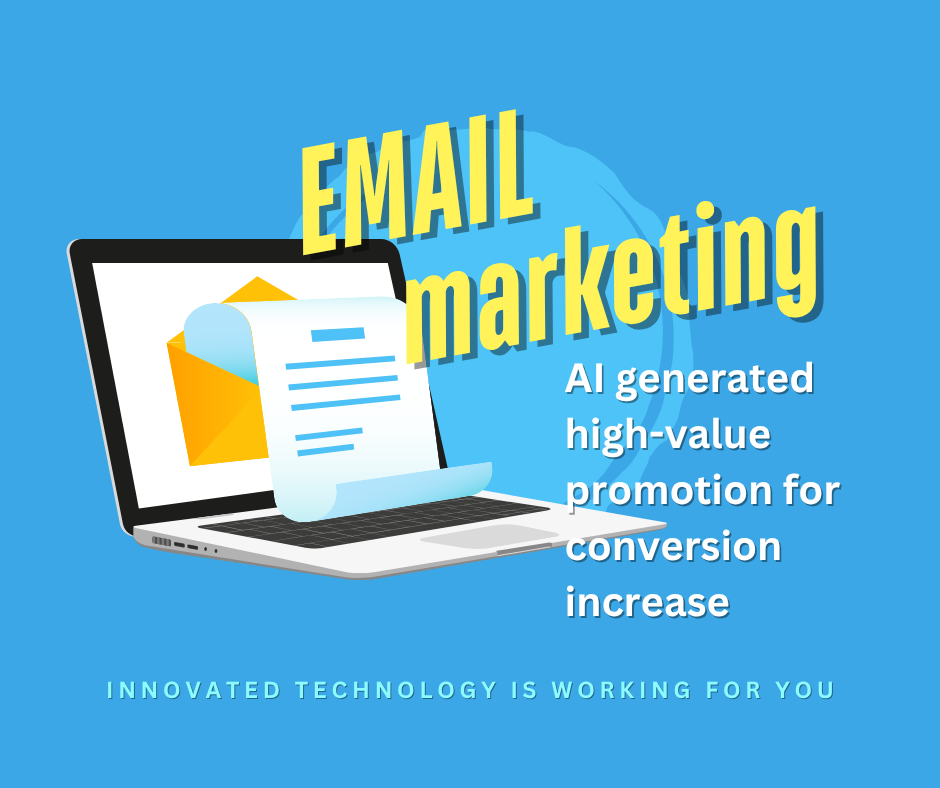
Email marketing is a powerful and cost-effective digital marketing strategy that allows businesses to directly communicate with their audience, build strong relationships, and drive sales. By sending targeted, personalized messages to customers’ inboxes, brands can share product updates, promotional offers, newsletters, and valuable content. Unlike social media, email marketing ensures that the message reaches the intended recipient, giving marketers full control over communication. A well-crafted email marketing campaign can nurture leads, increase brand loyalty, and encourage repeat purchases by delivering the right message at the right time. Tools like segmentation, automation, and analytics allow marketers to tailor content based on customer behavior, preferences, and purchase history. Email marketing offers a measurable ROI, making it an effective way to connect with customers and achieve long-term business growth.
5.affiliate marketing:

Affiliate marketing is a cost-effective way to earn money online by promoting other people’s products or services and earning a commission for every sale, lead, or action generated through your referral. By joining an affiliate program, you receive a unique tracking link and share it on various platforms. When someone clicks your link and makes a purchase, you earn a commission without worrying about inventory, shipping, or customer support. This option is suitable for beginners and experienced marketers due to its low investment and high scalability. Success lies in choosing the right niche, promoting products that align with your audience’s needs, and building trust through honest reviews and content. Affiliates can drive targeted traffic and maximize their earning potential using SEO, content marketing, and social media strategies.
6. Influencer Marketing:

Influencer marketing is a strategic approach where brands collaborate with individuals with a strong online presence to promote products or services. These influencers, often celebrities, industry experts, or niche content creators, can shape their audience’s opinions and buying decisions through authentic and relatable content. Trust is key in influencer marketing, as audiences often view influencers as friends or role models, making their recommendations more impactful than traditional ads. By partnering with the right influencer aligned with the brand’s values, companies can tap into a targeted audience, increase brand awareness, boost engagement, and drive sales. Social media platforms like Instagram, YouTube, TikTok, and LinkedIn are primary stages for influencer campaigns Why Digital Marketing Matters
Why Digital Marketing Matters
Digital marketing is crucial for businesses as it allows them to reach a wider, targeted audience at a lower cost, deliver measurable results, and foster trust, enabling swift data-driven adaptation for growth in the digital era.
It’s Not Just About Tools—It’s About Strategy
It’s not just about tools—it’s about strategy. Digital marketing success comes from understanding your audience, setting clear goals, and using the right tools in the right way to create impactful, results-driven campaigns.